Gruyère Thyme Focaccia Recipe – Savory Italian Bread
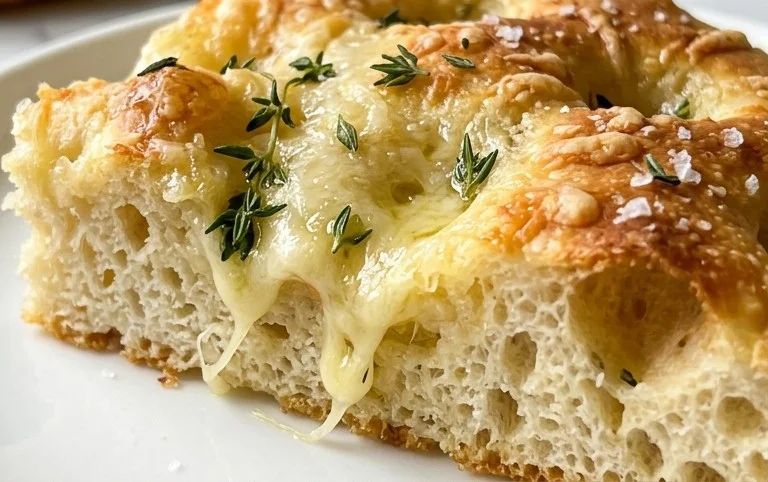
Gruyère & Thyme Italian Focaccia is more than just bread; it’s a fragrant invitation to the Italian countryside, a rustic masterpiece that elevates any meal. There’s something undeniably comforting about tearing into a warm, pillowy piece of focaccia, its surface glistening with olive oil and studded with savory goodness. What truly sets our Gruyère & Thyme Italian Focaccia apart is the delightful marriage of nutty, slightly sweet Gruyère cheese with the aromatic, earthy notes of fresh thyme. Each bite offers a complex flavor profile that is both sophisticated and incredibly satisfying, making it a favorite for gatherings, casual dinners, or simply as a luxurious treat for yourself.
Why You’ll Adore This Recipe
Get Ready to Impress Yourself

Gruyère & Thyme Italian Focaccia
There’s something incredibly comforting about a warm, chewy focaccia, and when you add the nutty, slightly sweet notes of Gruyère cheese and the aromatic punch of fresh thyme, you create a truly irresistible bread. This recipe for Gruyère & Thyme Italian Focaccia is my go-to for a reason. It’s surprisingly straightforward, yielding a beautiful golden crust, a tender crumb, and pockets of melty cheese that will have everyone reaching for another slice. This isn’t just bread; it’s an experience. Perfect for dipping in soup, serving alongside a charcuterie board, or simply enjoying on its own, this focaccia is a crowd-pleaser that will become a staple in your baking repertoire.
Ingredients:
- 6 1/4 cups bread flour
- 2 teaspoons instant dry yeast
- 2 cups warm water (105°F–115°F or 40°C–46°C)
- 1 tablespoon granulated sugar
- 1/2 cup plus 2 tablespoons extra virgin olive oil
- 4 teaspoons fine sea salt
- 1/4 cup extra virgin olive oil (plus more for greasing the sheet pan)
- 1/4 cup room temperature water
- 7 ounces gruyère cheese (sliced into small cubes)
- 2 tablespoons fresh thyme leaves
- 2 teaspoons Maldon sea salt flakes
Instructions:
- Activate the Yeast and Mix the Dough: In a large bowl, or the bowl of your stand mixer fitted with a dough hook, combine the warm water and granulated sugar. Sprinkle the instant dry yeast over the top and give it a gentle stir. Let this mixture sit for about 5-10 minutes until it becomes foamy and frothy. This is your sign that the yeast is alive and ready to work its magic. Once the yeast is active, add the bread flour, 1/2 cup plus 2 tablespoons of extra virgin olive oil, and 4 teaspoons of fine sea salt to the bowl. Mix everything together on low speed (or with a sturdy spoon if mixing by hand) until a shaggy dough begins to form.
- Knead the Dough to Perfection: Once the ingredients are mostly combined, increase the speed of your stand mixer to medium-low, or turn the dough out onto a lightly floured surface to knead by hand. Knead for about 8-10 minutes. You’re looking for a smooth, elastic dough that pulls away from the sides of the bowl cleanly. If you’re kneading by hand, it might take a little longer, around 10-15 minutes. The dough should be slightly sticky but manageable. The gluten development here is key to achieving that wonderful chewy texture in your focaccia. If it feels too dry, add a tablespoon of water at a time; if too wet, add a tablespoon of flour at a time.
- First Rise and Emulsification: Lightly grease a clean, large bowl with a bit of extra virgin olive oil. Place the kneaded dough into the greased bowl, turning it to coat all sides. Cover the bowl tightly with plastic wrap or a clean kitchen towel. Let the dough rise in a warm place for about 1 to 1.5 hours, or until it has doubled in size. While the dough is rising, take this opportunity to prepare the Gruyère and thyme. Ensure your Gruyère cheese is cut into small, bite-sized cubes. The smaller cubes will melt more evenly and create lovely pockets of cheesy goodness. Gently strip the fresh thyme leaves from their stems.
- Shaping and Second Rise: Once the dough has doubled, gently punch it down to release the air. Lightly grease a 9×13 inch baking sheet with extra virgin olive oil. I like to be generous here, as this helps create that coveted crispy bottom crust. Carefully transfer the dough onto the prepared baking sheet. Gently stretch and press the dough outwards with your fingertips to fill the pan. It will be a bit resistant at first, so let it rest for 5-10 minutes if needed, then continue stretching. Don’t worry if it’s not perfectly even; that’s part of the rustic charm of focaccia. Cover the baking sheet loosely with plastic wrap and let the dough rise again for another 30-45 minutes, or until it looks puffy.
- Dimpling, Toppings, and Baking: Preheat your oven to 425°F (220°C). Now comes the fun part: dimpling! Lightly oil your fingertips and press them firmly into the dough, creating deep indentations all over the surface. This is crucial for creating those characteristic focaccia craters that hold delicious olive oil and toppings. Drizzle the remaining 1/4 cup of extra virgin olive oil over the surface of the dough, allowing it to pool in the dimples. Scatter the cubed Gruyère cheese evenly over the dough, pressing it down gently so it melds into the dough. Finally, sprinkle the fresh thyme leaves and the Maldon sea salt flakes over the top. The Maldon flakes will create a delightful crunch and a burst of salty flavor. Bake in the preheated oven for 25-30 minutes, or until the focaccia is deeply golden brown and puffed up. The cheese should be melted and bubbling. Let it cool in the pan for a few minutes before transferring it to a wire rack to cool slightly. For the best flavor and texture, enjoy this warm!
Conclusion:
I truly hope you’ve enjoyed learning how to make this delicious Gruyère & Thyme Italian Focaccia. This recipe is fantastic because it strikes a perfect balance between the classic, chewy texture of a well-made focaccia and the rich, nutty depth of Gruyère cheese, all elevated by the fragrant aroma of fresh thyme. It’s surprisingly approachable for home bakers and delivers a wonderfully rustic yet refined bread that’s a joy to create and even more of a joy to eat. This Gruyère & Thyme Italian Focaccia is incredibly versatile, making it a standout addition to any meal.
For serving, think of it as a star on its own, perhaps with a drizzle of good olive oil or a sprinkle of flaky sea salt. It’s also a phenomenal side for hearty soups like minestrone or lentil stew, a perfect base for a gourmet sandwich layered with roasted vegetables and pesto, or even as an appetizer with a selection of cured meats and cheeses. If you’re feeling adventurous with variations, consider adding a pinch of red pepper flakes for a subtle kick, or perhaps some finely chopped rosemary alongside the thyme for an even more complex herbal profile. Don’t hesitate to experiment with different cheeses; a sharp cheddar or a flavorful fontina could also be delightful!
I strongly encourage you to give this Gruyère & Thyme Italian Focaccia a try. Baking your own bread is an incredibly rewarding experience, and this recipe is a wonderful place to start. You’ll be amazed at how a few simple ingredients can transform into such a satisfying and flavorful loaf. Happy baking!
Frequently Asked Questions:
Q: Can I make this focaccia ahead of time?
Absolutely! Once cooled, you can store your Gruyère & Thyme Italian Focaccia at room temperature in an airtight container for up to 2-3 days. For longer storage, it freezes beautifully. Just wrap it tightly in plastic wrap, then in foil, and freeze for up to 2 months. Reheat slices in a toaster oven or briefly in a conventional oven to refresh them.
Q: My dough didn’t rise as much as I expected. What could be wrong?
Several factors can affect dough rise. Ensure your yeast was fresh and activated properly. The room temperature can also play a significant role; a cooler environment will slow down fermentation. Over-kneading or under-kneading the dough can also impact its ability to rise. Don’t worry too much if it’s not a dramatic puff; as long as it’s flavorful, it will still be delicious!
Gruyère & Thyme Italian Focaccia
A savory Italian focaccia bread infused with nutty Gruyère cheese and aromatic thyme.
Ingredients
-
6 1/4 cups bread flour
-
2 teaspoons instant dry yeast
-
2 cups warm water ((105°F–115°F or 40°C–46°C))
-
1 tablespoon granulated sugar
-
1/2 cup plus 2 tablespoons extra virgin olive oil
-
4 teaspoons fine sea salt
-
1/4 cup extra virgin olive oil (plus more for greasing the sheet pan)
-
1/4 cup room temperature water
-
7 ounces gruyère cheese (sliced into small cubes)
-
2 tablespoons fresh thyme leaves
-
2 teaspoons Maldon sea salt flakes
Instructions
-
Step 1
In a large bowl, whisk together bread flour, yeast, sugar, and fine sea salt. -
Step 2
Gradually add warm water and 1/2 cup plus 2 tablespoons of olive oil, mixing until a shaggy dough forms. Knead on a lightly floured surface for 8-10 minutes, or until smooth and elastic. Place dough in a greased bowl, cover, and let rise in a warm place for 1-1.5 hours, or until doubled. -
Step 3
Grease a 13×18-inch baking sheet generously with olive oil. Gently press the risen dough into the prepared sheet pan, stretching it to cover the bottom. Cover and let rest for 30 minutes. -
Step 4
Preheat oven to 450°F (230°C). Dimple the dough all over with your fingers. Drizzle the remaining 1/4 cup of olive oil and sprinkle the room temperature water evenly over the dough. -
Step 5
Scatter the Gruyère cheese cubes and fresh thyme leaves over the dough. Sprinkle with Maldon sea salt flakes. -
Step 6
Bake for 20-25 minutes, or until golden brown and cooked through.
Important Information
Nutrition Facts (Per Serving)
It is important to consider this information as approximate and not to use it as definitive health advice.
Allergy Information
Please check ingredients for potential allergens and consult a health professional if in doubt.